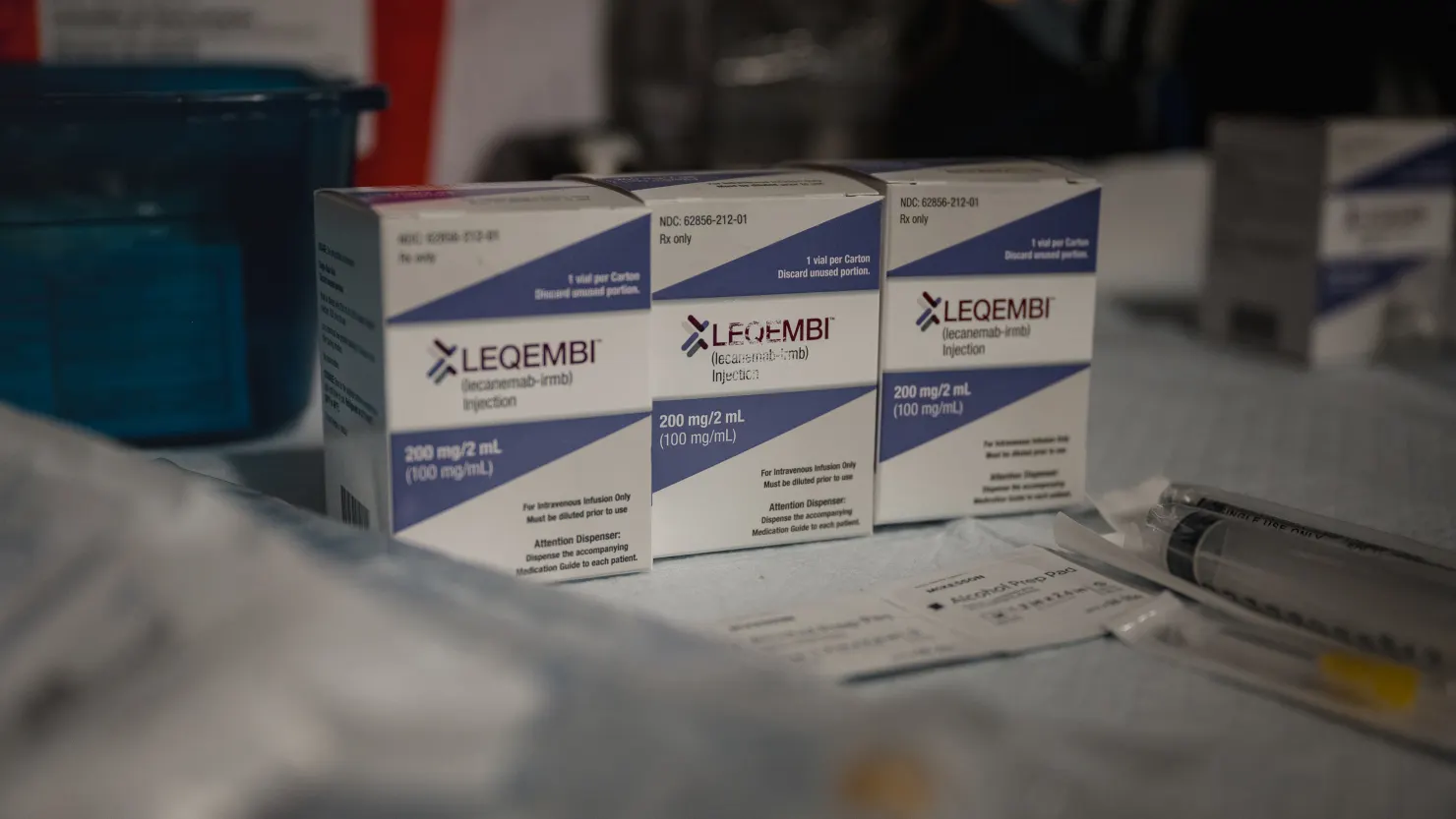

Leqembi, a new Alzheimer’s treatment developed by Biogen and Eisai, is offering hope to patients in the early stages of the disease by slowing cognitive decline. Although it is not a cure, Leqembi has given patients like Missie Meeks the opportunity to extend their independence. Diagnosed with early-stage Alzheimer’s ahead of her 50th birthday, Meeks began receiving biweekly infusions of Leqembi in September 2023. She reports that the drug has helped her maintain a “normal life,” allowing her to perform everyday activities such as driving and dining out.
Leqembi, a monoclonal antibody, works by clearing amyloid plaques in the brain, which are associated with Alzheimer’s disease. It is seen as a breakthrough in a field where treatment options have been limited. However, the drug is not without risks, including potential side effects like brain swelling and bleeding. Experts note that the drug’s effectiveness becomes more apparent after 18 months of use, though some patients have already reported benefits from the treatment.
Despite the promise of Leqembi, its rollout has been slow due to logistical challenges. Patients face hurdles such as securing a diagnosis, insurance coverage, and regular brain scans. Additionally, the drug requires infusion clinics, which are not always easily accessible. The process can be lengthy and complicated, delaying patients from starting treatment. Insurance issues have also added to the difficulties, as some health plans have been reluctant to cover the $26,500 annual cost of Leqembi, especially for younger patients who do not yet qualify for Medicare.
Despite these challenges, Leqembi’s availability represents a significant step forward in Alzheimer’s care. As more patients gain access to the drug, and as its long-term effects are studied, the hope is that it will provide meaningful improvements in the quality of life for those affected by the disease. Meeks, like many others, remains optimistic about the treatment, saying that Leqembi is “extending my time of a normal life.” For patients and their families, the drug offers a precious opportunity to slow the progression of a disease that has been notoriously difficult to treat.
READ MORE: