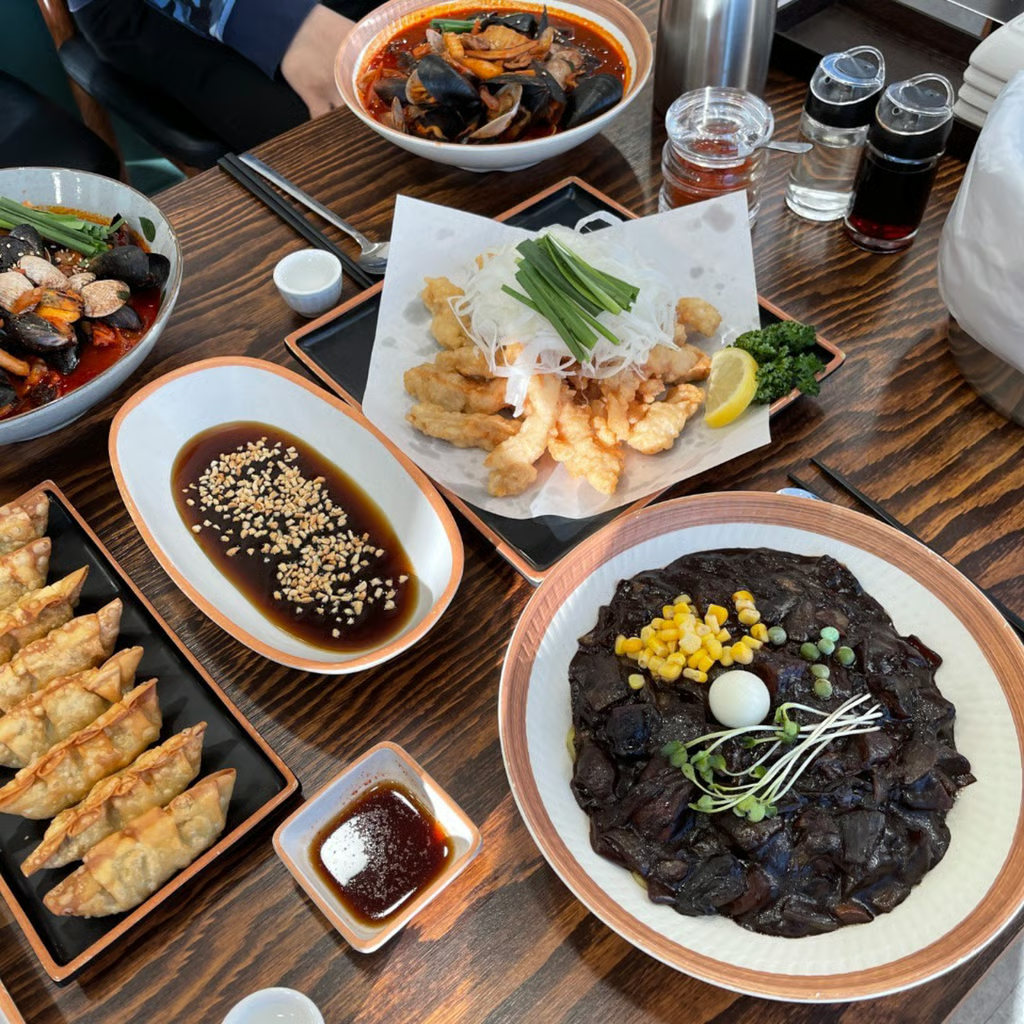

As Chinese communities settled around the world, they adapted their culinary traditions to suit local tastes. A unique product of this adaptation is Korean-Chinese cuisine, which has become an integral part of South Korea’s food identity. Known as joongguk jib (literally “China house”), Korean-Chinese restaurants are found throughout the country—even on tiny islands like Marado, which boasts nine of them.
Signature dishes such as jajangmyeon (noodles in black bean sauce) and jjambbong (spicy seafood noodle soup) are beloved for their rich flavors and hearty ingredients. These dishes reflect more than just taste—they carry the weight of history, migration, and cultural transformation.
The roots of Korean-Chinese cuisine stretch back over a century. A pivotal moment came in 1884, when China’s Qing dynasty established a concession in Incheon after Korea opened its ports. By the early 1900s, Chinese immigrants—especially from Shandong province—began arriving, setting up trade and eateries. These early restaurants catered to Korea’s elite, and it was fashionable to travel by train to Incheon just to dine at them.
A turning point came in 1948 when Wang Songsan, an immigrant from Shandong, introduced chunjang, a sweetened black bean paste that became the foundation for jajangmyeon. While inspired by China’s zhajiangmian, the Korean version evolved to become sweeter and more generously sauced. Jjambbong, with its fiery red broth, also evolved locally, drawing influence from champon, a Japanese-Chinese noodle soup.
During the 1960s and 70s, a government policy promoting flour-based foods due to a rice shortage pushed Korean-Chinese cuisine into the spotlight. Jajangmyeon became a popular celebratory meal, especially during graduations, and its cultural significance grew. These restaurants also pioneered home food delivery, cementing their place in modern Korean life. Even today, it’s tradition to order jajangmyeon when moving into a new home.
Korean-Chinese dishes now appear in global cities with Korean communities and in pop culture, where jajangmyeon often symbolizes comfort and working-class life. Far beyond a fusion of flavors, Korean-Chinese cuisine is a story of resilience, adaptation, and cultural identity—woven into the everyday lives and celebrations of Koreans everywhere.
READ MORE: