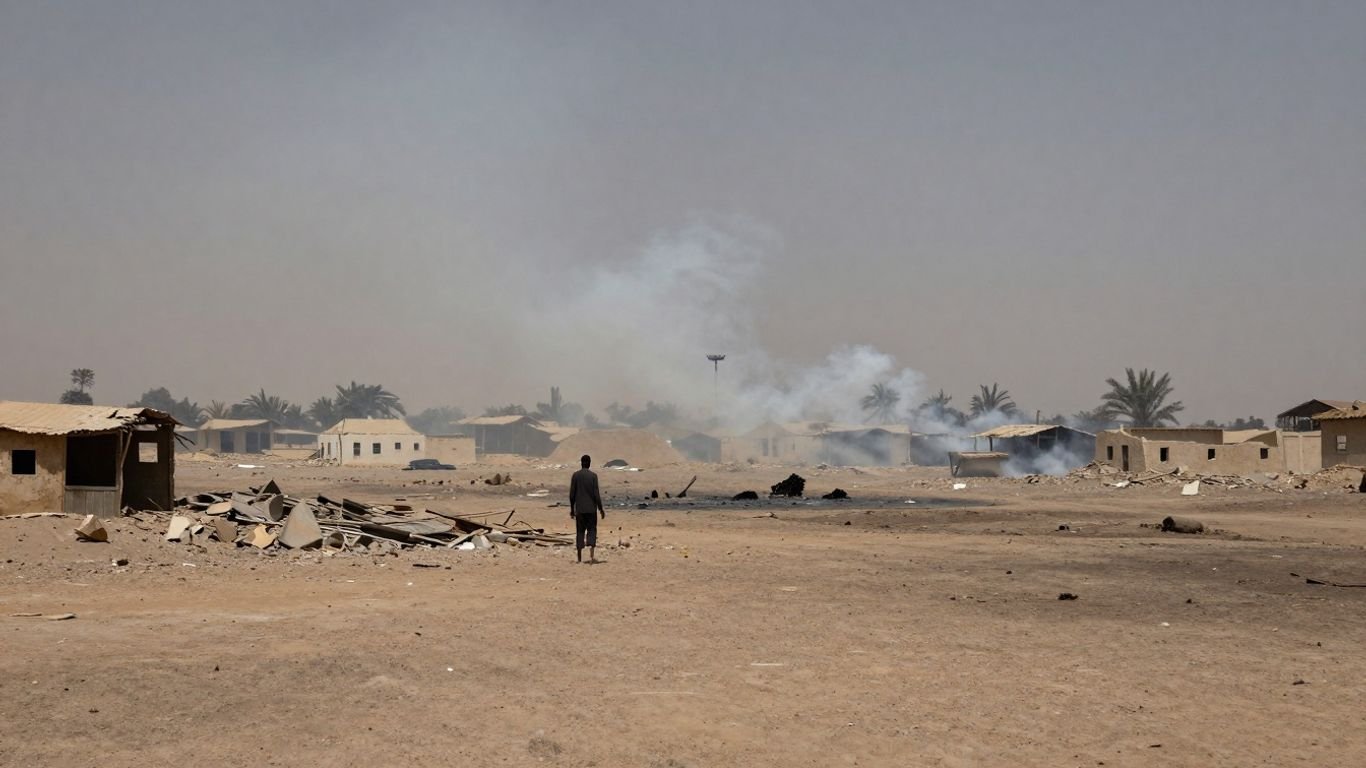

Sudan has surpassed 1,000 days of devastating civil war, plunging the nation into the world’s largest humanitarian crisis. The conflict, ignited by a power struggle between the Sudanese Armed Forces (SAF) and the Rapid Support Forces (RSF) in April 2023, has led to widespread violence, mass displacement, and a near-total collapse of essential services, leaving millions in desperate need of aid.
A Nation Under Siege
The sustained violence, restricted humanitarian access, and dwindling funding have pushed Sudan into an unprecedented humanitarian emergency. An estimated 33.7 million people are expected to need assistance in 2026, with over 20 million requiring health support and 21 million facing acute food insecurity. The conflict has spread from the capital, Khartoum, to regions like Darfur and Kordofan, devastating infrastructure and fracturing state institutions.
The World Health Organization (WHO) reports that Sudan’s health system is nearing collapse due to ongoing fighting, mass displacement, and repeated attacks on medical facilities. More than a third of health facilities nationwide are non-functional, cutting off millions from essential care. Since the conflict began, WHO has verified 201 attacks on healthcare, resulting in nearly 1,900 deaths and 500 injuries.
Sudan is now the site of the world’s largest displacement crisis. An estimated 13.6 million people have been uprooted by the fighting, with 9.3 million internally displaced and 4.3 million seeking refuge in neighboring countries. Overcrowded living conditions and poor sanitation have fueled outbreaks of cholera, malaria, dengue, and measles.
Children Bear the Heaviest Burden
Children constitute about half of those expected to need humanitarian assistance. UNICEF reports that children continue to be killed and injured, with severe acute malnutrition rates alarmingly high. The agency warns that only an end to the fighting can halt the erosion of safety, health, and hope for Sudan’s youngest generation.
Calls for Peace and Access
Both WHO and UNICEF emphasize that humanitarian action, while vital, cannot replace peace. “To meet the mounting needs and prevent the crisis from spiraling out of hand, WHO and humanitarian partners require safe and unimpeded access to all areas of Sudan, and increased financial resources,” stated Dr. Shible Sahbani, WHO Representative in Sudan. All parties to the conflict are urged to uphold international humanitarian law, protect civilians, and allow safe, sustained, and unimpeded humanitarian access.