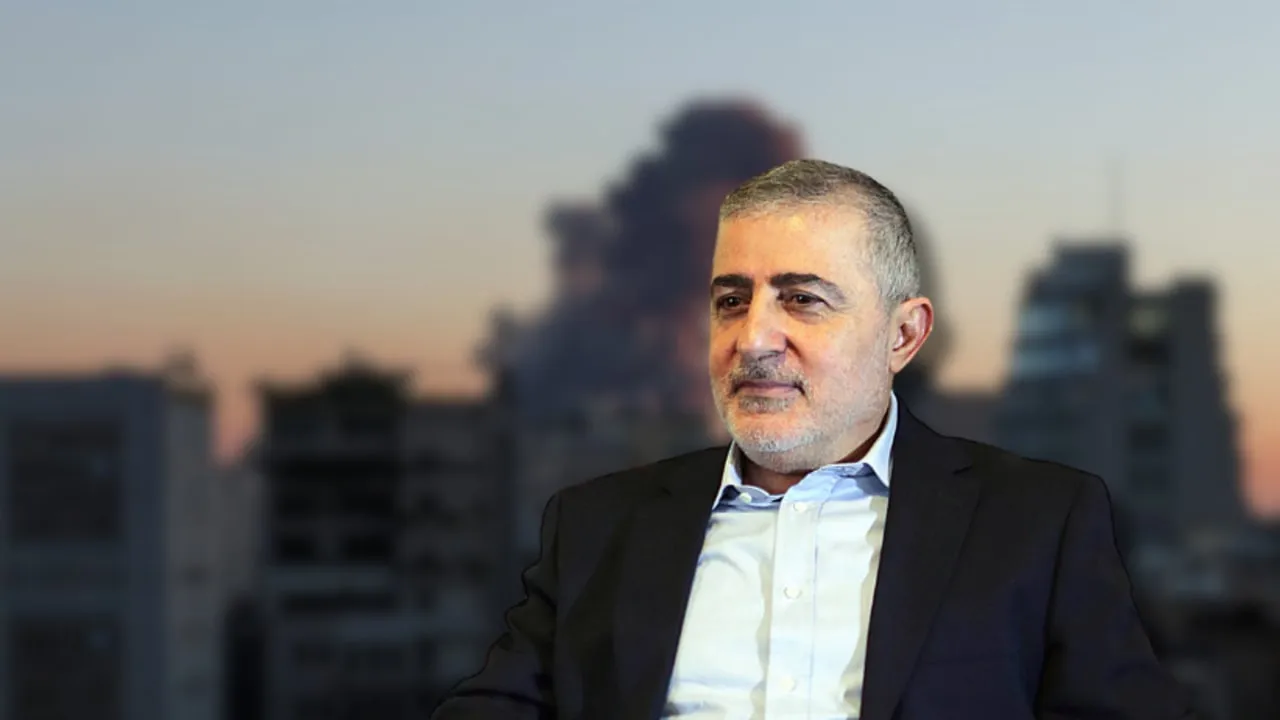

Hezbollah has announced a significant internal restructuring, leading to the replacement of its long-serving top security official, Wafiq Safa. Safa, who headed the group’s Liaison and Coordination Unit for decades, has resigned, with Hussein Abdullah appointed as his successor. This move comes in the wake of a protracted conflict with Israel that has reportedly weakened the organization and led to substantial losses among its leadership.
Wafiq Safa, a key figure responsible for coordinating with Lebanon’s security agencies, has stepped down from his role. Sources within Hezbollah confirmed that Safa had expressed his desire to resign, and the group’s leadership accepted his decision. Safa had been at the helm of the Liaison and Coordination Unit for decades, playing a crucial role in various sensitive operations, including indirect negotiations with Israel for prisoner exchanges.
Hussein Abdullah has been named as Safa’s successor. Abdullah is not a widely recognized public figure within the group. Reports indicate that the Liaison and Coordination Unit has also seen some of its powers transferred to other departments as part of the ongoing restructuring. This internal reorganization is seen as a response to the significant impact of the recent 14-month war with Israel, which resulted in considerable casualties among Hezbollah’s political and military ranks.
Safa himself is a well-known personality within Hezbollah. He was reportedly a target of Israeli airstrikes in Beirut in October 2024 but appeared unharmed. His past involvement includes mediating in sensitive cases and leading significant prisoner exchange negotiations, notably in 2004 and 2008. He was also sanctioned by the U.S. Treasury Department in 2019, along with two Hezbollah legislators. Safa reportedly joined Hezbollah at a young age and has remained with the organization since.
The recent conflict between Hezbollah and Israel began in October 2023, escalating significantly with Israeli bombardments and a ground invasion of Lebanon in September 2024, which severely impacted Hezbollah’s capabilities.