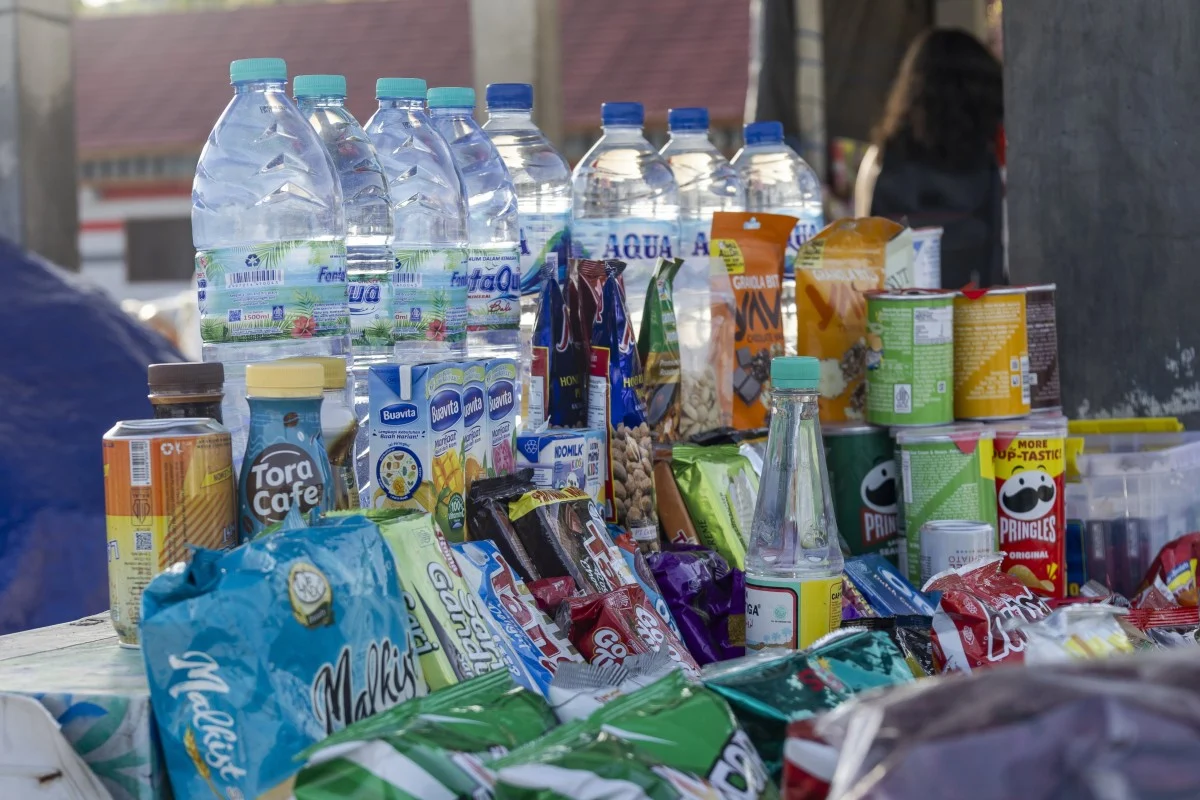

Bali’s recent ban on small plastic water bottles has ignited debate between environmental advocates and industry stakeholders. The new regulation, which took effect in April, prohibits the production, distribution, and sale of single-use plastic water bottles under one litre in size. It is part of Governor I Wayan Koster’s Bali Clean Waste Movement, which aims to make the island waste-free by 2027.
This policy builds on previous efforts, such as the 2018 ban on plastic bags in supermarkets and restaurants, and now includes mandatory waste segregation in schools, places of worship, businesses, markets, and government offices. Koster emphasized that producers should shift to glass bottles and warned that non-compliant villages could lose funding, while businesses may risk permit revocation and being publicly named as environmentally unfriendly.
Bali generates over 3,400 tonnes of waste daily, with 60 percent being organic and only 17 percent of plastic waste considered recyclable. A significant portion of the island’s waste either ends up in landfills or never makes it to waste bins, and much of the debris seen on beaches originates from nearby islands such as East Java and Kalimantan.
Despite the environmental motivation, industry figures have pushed back. The Indonesian Employers Association in Bali expressed concern about the disruption to the food and beverage industry. The Soft Drink Industry Association estimated the ban could reduce profits by 5 percent, noting Bali’s large tourist-driven market.
Some industry representatives argue that the regulation may not significantly impact the overall waste issue, as plastic bottles make up only a fraction of Bali’s waste. They also warn of unintended consequences, such as the increased use of dishwashing chemicals for reusable alternatives, which can introduce new pollutants.
Environmental groups, however, have applauded the policy. PPLH Bali’s coordinator Ni Made Diyah Darma Yanti sees it as a progressive move, despite inconsistencies in enforcement. She pointed to recent findings showing widespread microplastic contamination in food and drinks served in schools, highlighting the urgency of reducing plastic use.
Environmental audits have identified bottled drinks as top polluters in Bali’s rivers, underscoring the need for action. While challenges remain, advocates view the regulation as an important step toward protecting Bali’s environment and public health.
READ MORE: